
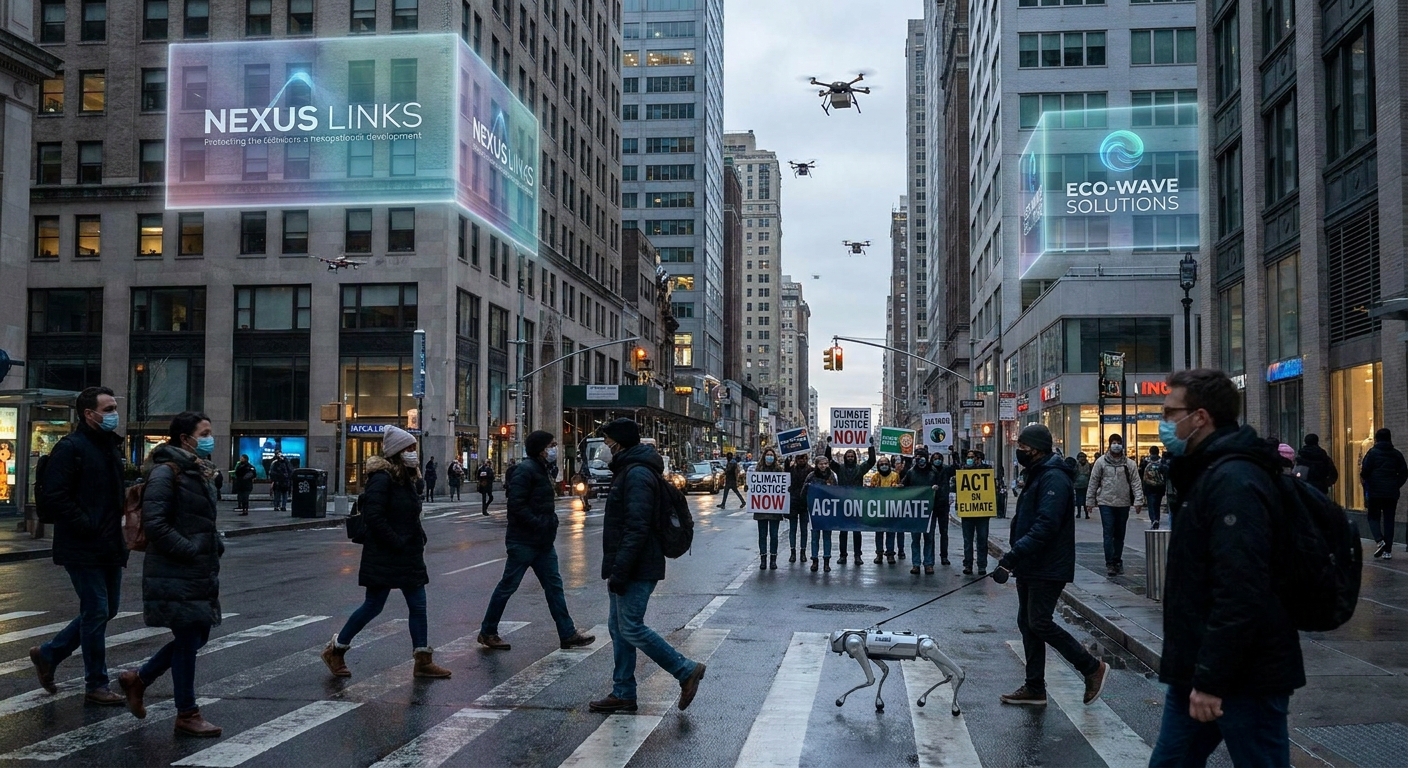
The Big Shifts You Don’t Want to Miss
Most global coverage chases daily shocks: elections, coups, market swings. Important, but incomplete. Underneath the noise, slower forces are rewriting the rules of the 21st century.
These are the trends that don’t always make front pages yet shape everything from wars and wages to climate and technology. Here’s a sharp, no-filler list of seven global shifts — and why they matter.
---
1. The World Is Aging — Unevenly
* Japan, much of Europe, and China are greying fast.
* Africa, parts of South Asia, and some Middle Eastern countries remain young.
Why it matters:
* Aging societies face labor shortages, rising healthcare costs, and pension strains.
* Younger regions have potential demographic dividends — or instability if jobs don’t keep up.
> “Demographics won’t decide everything, but they set the constraints,” says demographer Nabila Farouk.
Watch next:
* Immigration debates in aging economies.
* Whether young regions attract the investment needed to turn youth into growth.
---
2. Climate Shift from Future Tense to Present Tense
Climate risk is no longer a 2050 problem. It’s here.
* Record heatwaves hit major cities on every continent.
* Insurance markets are retreating from high-risk areas.
* Farmers from the Americas to South Asia are already adjusting crop choices.
Why it matters:
* Infrastructure built for past weather patterns keeps failing.
* Insurance withdrawals can make entire regions financially unviable.
* Migration pressures grow as livelihoods erode.
Watch next:
* Mandatory climate risk disclosures for companies.
* Surge in adaptation spending — sea walls, cooling centers, resilient grids.
---
3. The Global Middle Class Is Growing — But Fragmented
The global middle class has expanded dramatically, especially in Asia. Yet it’s uneven:
* Millions lifted out of extreme poverty now face stalled mobility.
* Rising living costs bite, even in wealthy states.
Why it matters:
* Middle classes typically demand better governance — and react badly when squeezed.
* Political unrest often tracks expectations not being met, not absolute poverty.
> “When people feel their children will be worse off, politics radicalizes,” notes political scientist Arturo Jiménez.
Watch next:
* Protest movements framed around cost of living and inequality.
* New tax debates targeting wealth and corporate profits.
---
4. From Globalization to Bloc-ization
Trade isn’t collapsing; it’s reorganizing.
* Regional trade deals are multiplying.
* Security alliances increasingly shape economic choices.
Why it matters:
* Supply chains look more regional (North America, Europe, Asia-Pacific) instead of fully global.
* Countries outside major blocs use their non-alignment as leverage.
Watch next:
* More “minilateral” agreements — small groups of countries cooperating on narrow issues like chips or green tech.
* Growing pressure on countries to “pick a side” on tech standards and security partnerships.
---
5. The Data Sphere Is Splitting
The internet once promised a borderless information space. That era is fading.
* Data localization laws require storage within national borders.
* Competing regimes for privacy, surveillance, and content moderation are hardening.
Why it matters:
* Companies must navigate incompatible digital rules.
* Citizens’ rights and online experiences depend heavily on where they live.
> “We’re drifting toward a world of parallel internets,” warns tech policy analyst Helen Zhou.
Watch next:
* Clashes over cross-border data flows and encryption.
* International attempts — likely fragile — to harmonize AI and platform governance.
---
6. Power Is Moving from States to Systems — and Back Again
For a while, multinationals and tech giants looked more powerful than many states. That’s being contested.
* Governments are tightening antitrust, privacy, and content rules.
* But global systems — payment networks, cloud platforms, app stores — remain hard to regulate.
Why it matters:
* A handful of companies and standards-setters influence what billions can see, buy, and say.
* States are clawing back control, sometimes to protect rights, sometimes to suppress dissent.
Watch next:
* Major court battles over platform responsibilities.
* Attempts to nationalize or domesticate key digital infrastructure.
---
7. Legitimacy Crises Are Going Mainstream
Trust in institutions — from parliaments and parties to media and courts — is eroding in many countries.
* Voter volatility is high; traditional parties are losing ground.
* Conspiracy theories and alternative information ecosystems flourish.
Why it matters:
* Policy continuity becomes harder; reversals after each election spike.
* External actors exploit domestic distrust with disinformation.
Watch next:
* Experiments with citizen assemblies and participatory budgeting.
* Tighter rules on campaign finance and online political advertising.
---
How These Trends Interlock
These aren’t seven separate stories. They reinforce each other.
* Aging and climate stress budgets; frustrated middle classes pressure leaders.
* Bloc-ization and parallel internets harden information silos and mistrust.
* Legitimacy crises push governments toward more visible, sometimes drastic, actions.
> “The risk isn’t any single trend,” says systems analyst Jana Müller. “It’s the way they entangle into polycrises.”
---
What to Watch in the Next Decade
If you want signal, not noise, focus on:
1. **Where capital is flowing** — toward green, digital, and resilient infrastructure, or back into old sectors.
2. **How younger regions negotiate** with older, richer ones over migration, trade, and climate finance.
3. **Which rules win** — on data, AI, and tech standards — because those embed power for decades.
None of these trajectories are fixed. Policy, innovation, and social movements can bend them. But ignoring them isn’t an option. They’re already shaping the world you live in — whether your news feed calls them out or not.